Pneumatic Scrap Handling for Paper, Wood, Plastic, and Grain Operations
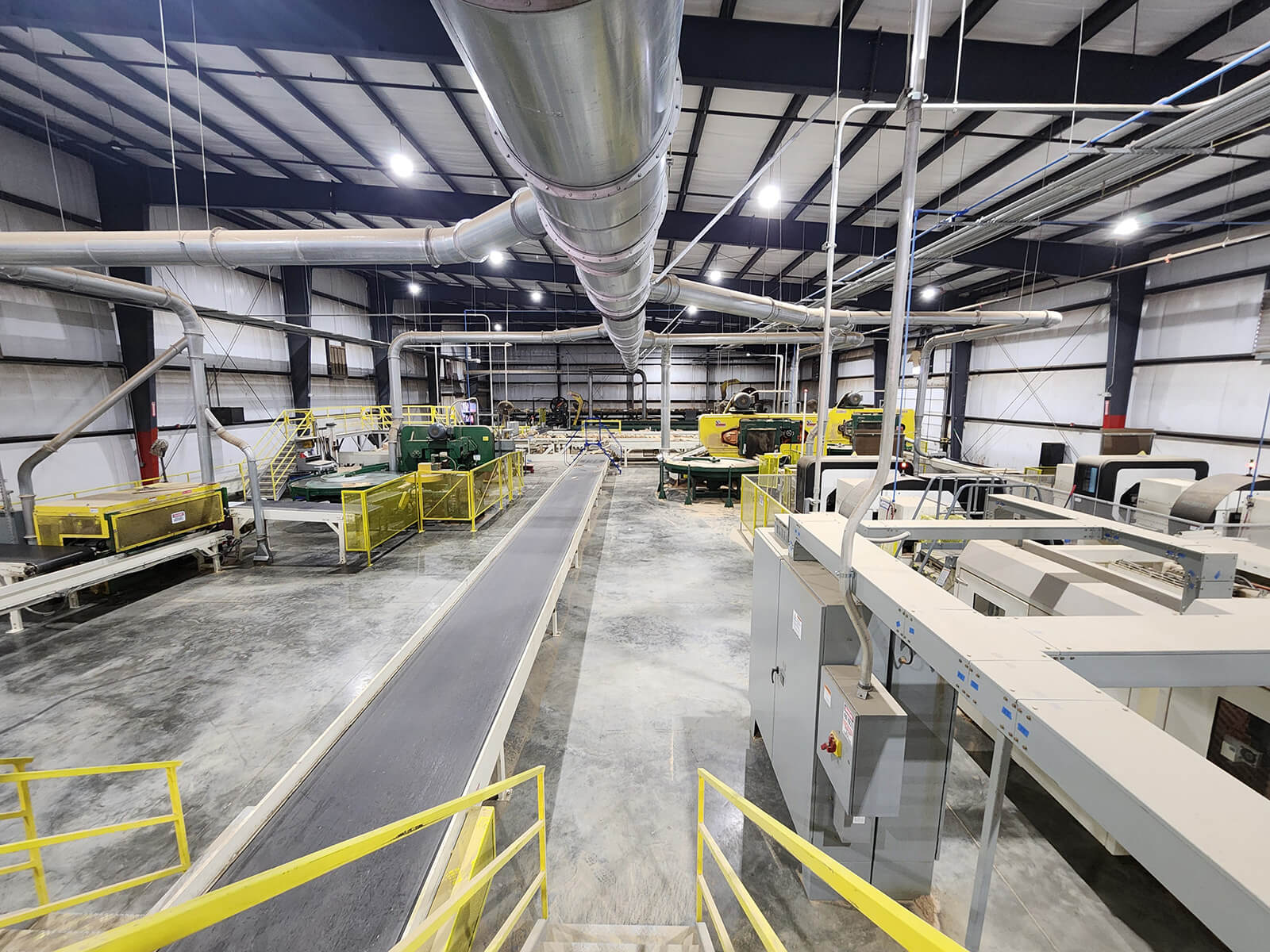
Every system is engineered around your specific scrap type, production layout, and equipment integration points, whether you are handling paper trim, wood shavings, plastic regrind, grain waste, or textile scrap. We do not sell catalog systems and hope they fit. We build what your facility actually needs.
Key Highlights:
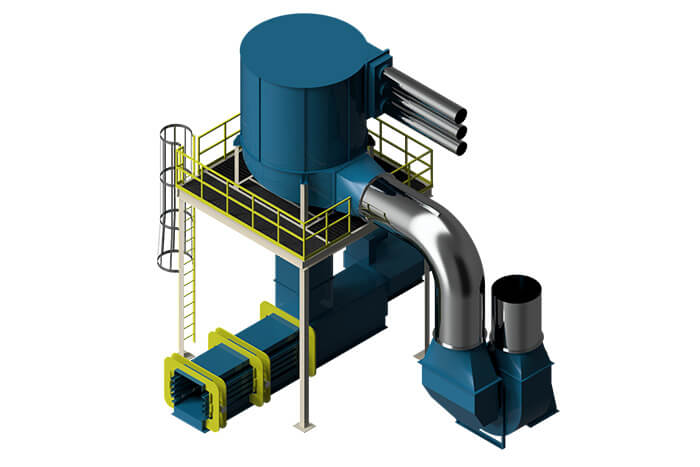
- Direct integration with trim cutters, shredders, grinders, and balers
- Cyclone separation and baghouse filtration sized to your material
- Custom-fabricated ductwork designed to fit without costly retrofits
How Does a Custom Scrap Handling System Reduce Waste and Generate Revenue?
Most manufacturing facilities treat scrap as a disposal problem. A properly engineered scrap handling system solves that, and in many cases, the recovered material has enough resale or reprocessing value to offset the cost of the system itself.
- Paper and Pulp Operations: Trim waste and broke material conveyed pneumatically from cutters and winders to centralized baling stations
- Wood and Sawmill Facilities: Shavings, chips, and sawdust moved from saws, planers, and routers through ductwork engineered for abrasive material
- Plastic Processing: Regrind, trim, and runner scrap conveyed from injection molders, extruders, and granulators back into the material stream
- Grain and Feed Operations: Grain fines, hulls, and processing byproducts captured at transfer points and conveyed to storage or baling
Why Choose Environmental Pneumatics for Scrap Handling System Design?
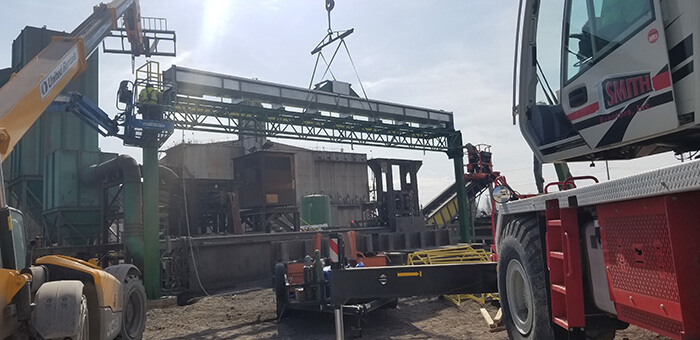
A scrap handling system is only as good as its engineering. Undersized ductwork clogs. Oversized fans waste energy. Environmental Pneumatics eliminates these problems by starting every project with an on-site evaluation of your facility before we design anything.
- On-site engineering based on your actual material flow, not catalog guesswork
- One team designs, fabricates, and installs the full system with single-point accountability
- Right-sized airflow engineering that prevents chronic clogging and reduces energy costs
Start With a Site Evaluation
Most dust and scrap problems are visible to a trained eye. The issue is that most vendors never bother to look — they quote from a desk and ship a catalog product.
Our engineers come to you. Walk the floor with you. And tell you exactly what they see.
- On-site visit at your facility
- Dust source, airflow & scrap recovery gap analysis
- Compliance exposure review (OSHA / NFPA / EPA)
- Written summary of findings — no obligation
Schedule Your Walkthrough
Complete this form and we'll be in touch within one business day.
"*" indicates required fields
Frequently Asked Questions
What types of scrap material can a pneumatic conveying system handle?
Systems convey paper trim, wood shavings, plastic regrind, textile waste, grain byproducts, and other dry bulk materials when ductwork diameter, conveying velocity, and separation equipment are engineered to match your material’s weight, size, and moisture content.
Can a scrap handling system integrate with our existing production equipment?
Environmental Pneumatics designs pickup points and ductwork around your existing trim cutters, shredders, grinders, balers, conveyors, and floor sweeps so you do not have to modify equipment or rearrange your line.
How does scrap recovery generate revenue for our facility?
Recovered materials like paper trim, wood chips, plastic regrind, and grain fines have direct resale or reprocessing value, turning what was a disposal cost into a measurable revenue stream.
Will installing a scrap handling system require shutting down our production line?
Environmental Pneumatics plans phased installations around your production schedule, coordinating with your operations team to stage work during planned maintenance windows or off-peak periods.