
Paper, Wood, and Packaging \ Pneumatic Conveying and Dust Collection Across the Full Converting Chain
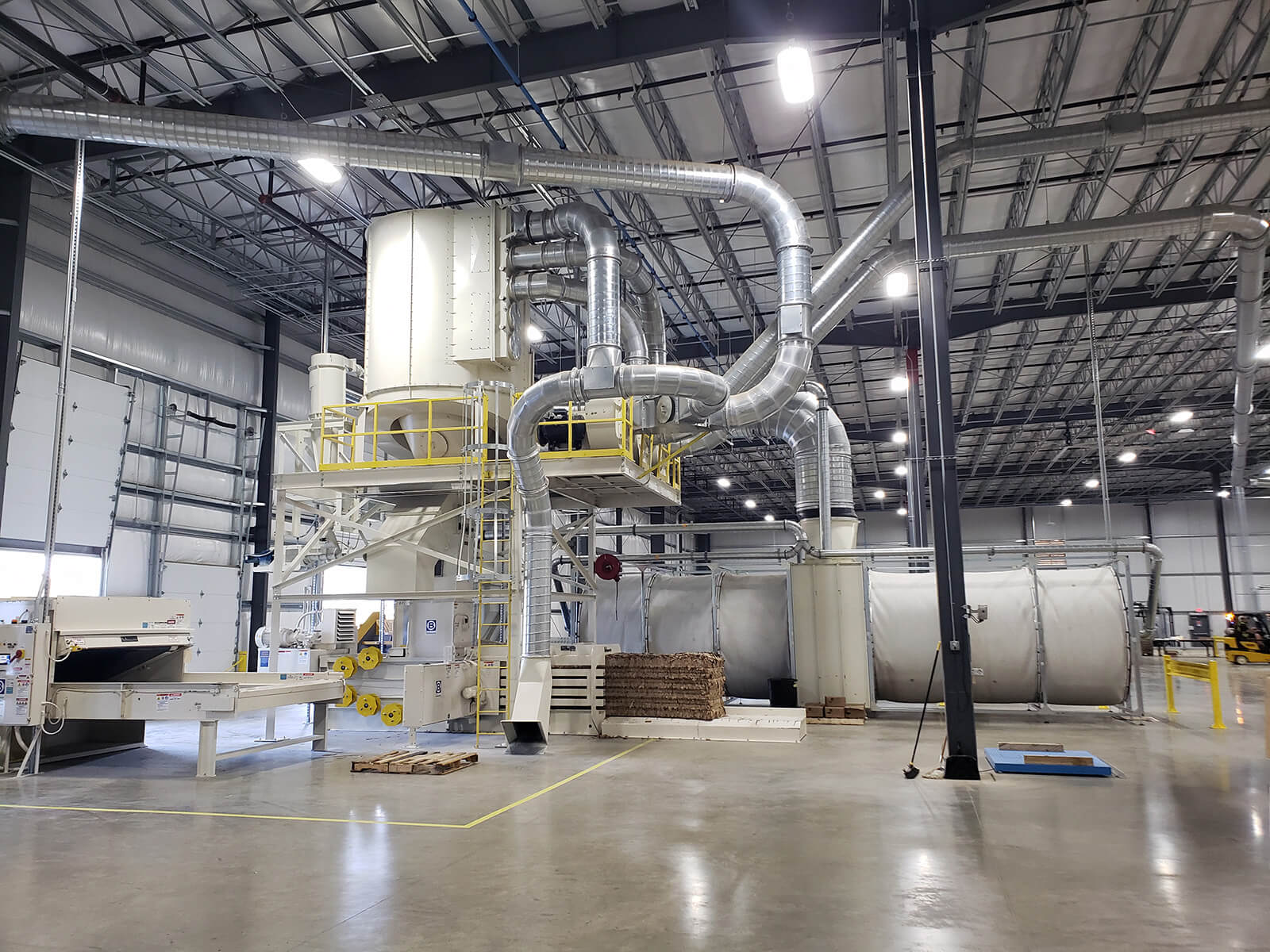
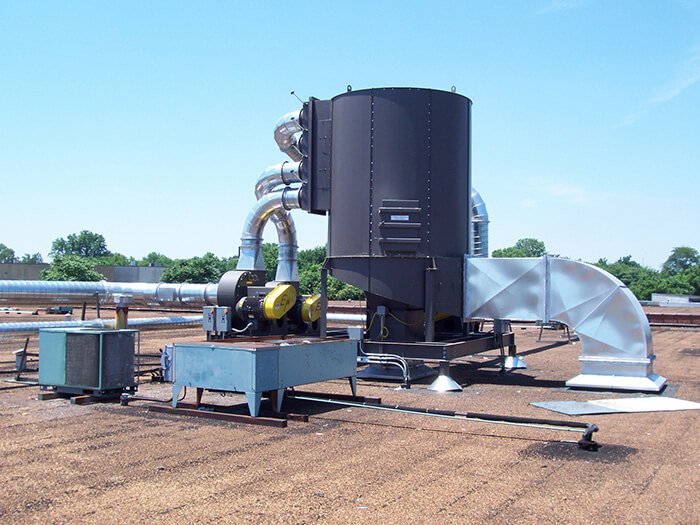
Wood operations generate abrasive chips, shavings, and fine sanding dust across a wide particle-size range. Paper mills, tissue lines, and converting operations produce lightweight trim, broke, and dust that requires precise conveying velocity to move without compacting or wrapping around equipment. Container plants, folding carton lines, and printers generate grade-specific scrap that has direct resale value when recovered clean and separated properly. Environmental Pneumatics engineers each system around the material, the machines, and the production schedule, not a catalog specification.
Key Highlights:
- Systems engineered around your material’s weight, particle size, and conveying behavior
- Scrap recovered clean and consolidated for baling, repulping, or direct resale
- On-site engineering visit completed before any system design or equipment is specified
How Does a Custom Conveying System Recover Revenue From Paper and Wood Scrap?
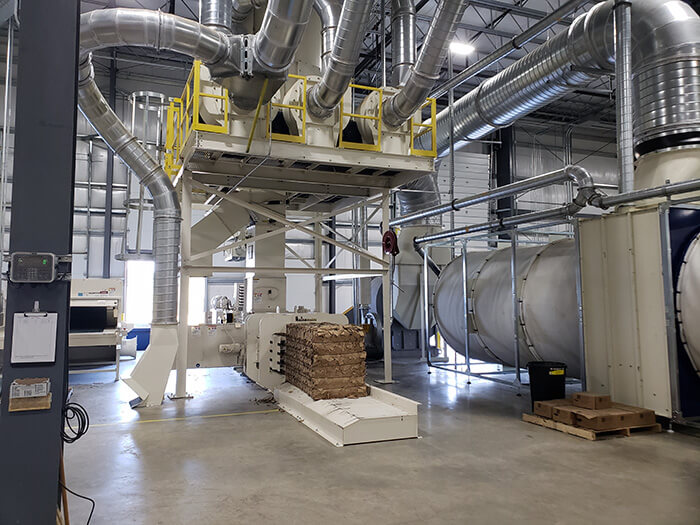
Paper trim, wood chips, and corrugated scrap all have resale or reprocessing value, but only when they arrive at the baler or separator clean, uncontaminated, and at the volume your equipment is sized to handle. A system that mixes grades, drops material in ducts, or backs up into the separator does not recover that value. Environmental Pneumatics designs the full conveying path from pickup point to baler discharge so the material arrives at the right place in the right condition.
- Wood scrap from saws, planers, and routers conveyed at dropout-prevention velocities
- Paper and tissue trim engineered to convey without wrapping, compacting, or jamming
- Grade-separated collection for corrugated and folding carton scrap protects bale value
Why Do Paper, Wood, and Packaging Operations Choose Environmental Pneumatics?
The paper and wood converting industries are Environmental Pneumatics’ home territory. EP’s founding focus was pneumatic conveying and dust removal for paper, grain, and wood operations, and the same on-site engineering discipline that built the business still drives every project. An engineer walks your production floor, maps your equipment, and calculates airflow for your specific trim dimensions and machine speeds before a single component is specified.
Sectors Served:
- Wood Products
- Paper Industry
- Tissue Mills
- Container Industry
- Folding Carton
- Printers
Start With a Site Evaluation
Most dust and scrap problems are visible to a trained eye. The issue is that most vendors never bother to look — they quote from a desk and ship a catalog product.
Our engineers come to you. Walk the floor with you. And tell you exactly what they see.
- On-site visit at your facility
- Dust source, airflow & scrap recovery gap analysis
- Compliance exposure review (OSHA / NFPA / EPA)
- Written summary of findings — no obligation
Schedule Your Walkthrough
Complete this form and we'll be in touch within one business day.
"*" indicates required fields
Frequently Asked Questions
What makes paper and tissue trim more difficult to convey than other materials?
Paper and tissue trim is lightweight and can static-cling to ductwork, wrap around fan blades, or compact in separators if conveying velocity and system geometry are not engineered specifically for the trim dimensions and production speed of each machine on the line.
Can a single conveying system handle scrap from multiple paper grades or product types?
Yes, with diverter valves and grade-separation logic, a system can route trim from different machines to separate separators or balers, preserving grade integrity and protecting the resale value of each bale.
What wood byproducts can a pneumatic system handle?
Sawdust, shavings, chips, and sanding dust from saws, planers, routers, and CNC machines can all be pneumatically conveyed when duct diameter, fan selection, and conveying velocity are matched to the particle size and bulk density of the specific wood species and process.
How does recovered scrap generate revenue for converting and printing operations?
Clean, consolidated paper trim, corrugated scrap, and wood chips have established markets for repulping, recycling, and alternative fuel use, and the resale value of properly recovered material frequently offsets a meaningful portion of the system’s installation cost.