
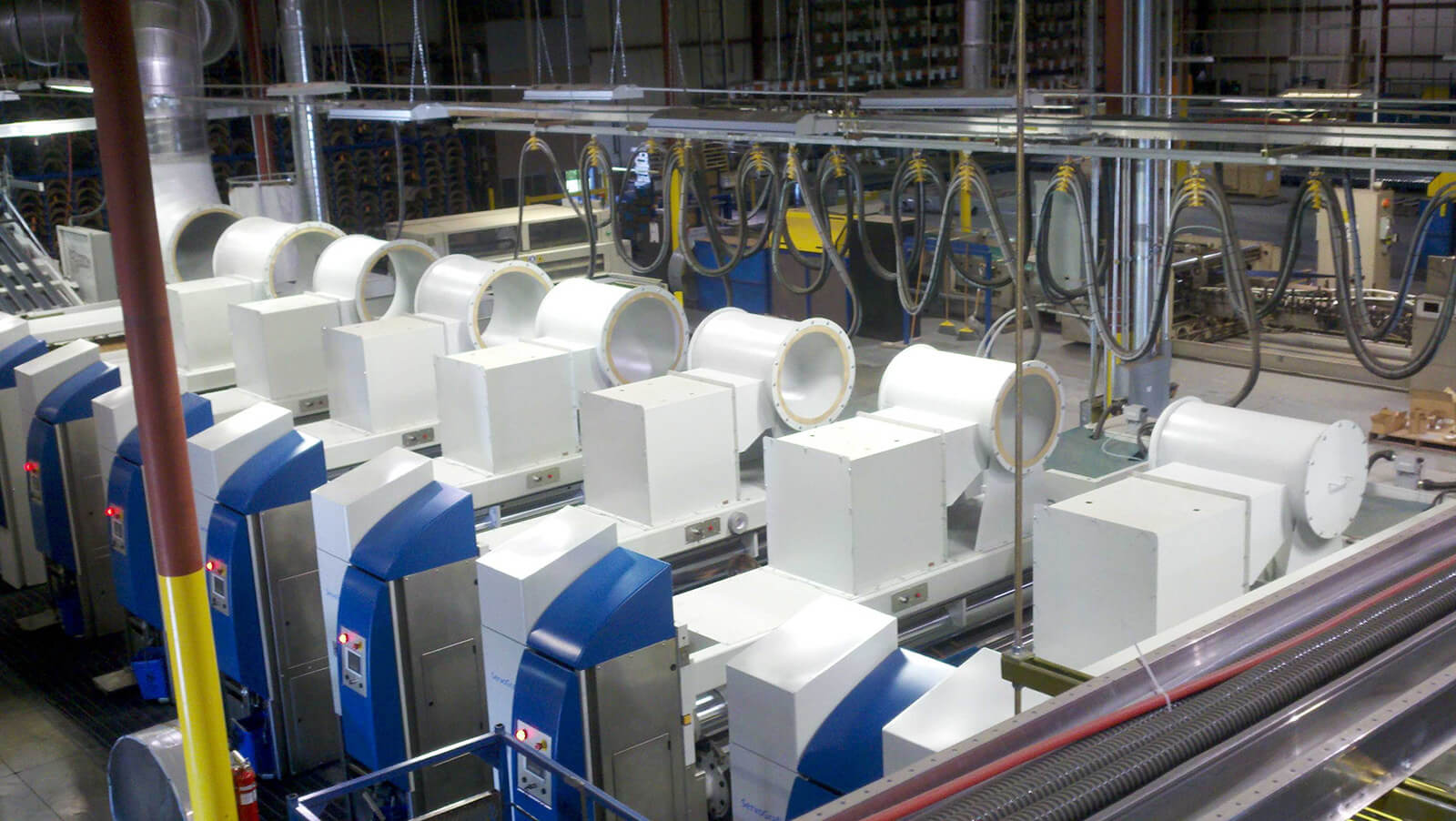
Specialty Equipment / Complete System Integration for Dust Collection and Conveying
A dust collection or pneumatic conveying system is a network of interdependent components. When any one of them is undersized, mismatched, or absent, the system underperforms or creates a safety liability. Environmental Pneumatics sources and integrates specialty equipment as part of a complete system design, so each component is selected for the application rather than assembled from whatever is available.
Equipment Supplied and Integrated:
- Baling Equipment
- Hogger and Shredder Equipment
- Deflagration Equipment
- Spark Detection and Suppression Equipment
- Belt Conveyors
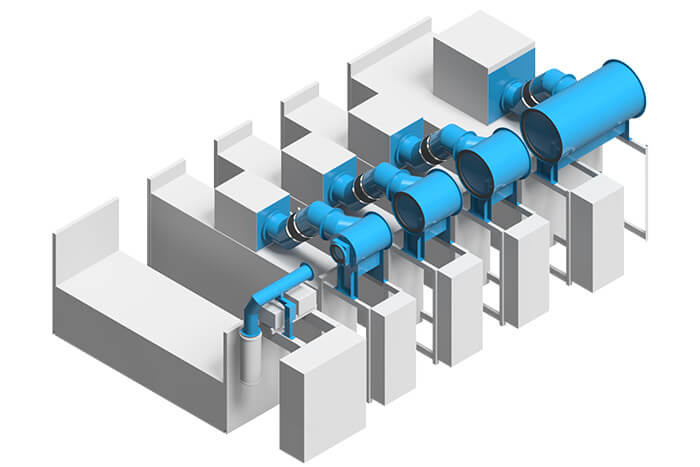
- Pneumatic Transfer Pans (Air-Veyors)
- Cartridge Filters
- Electrical Components and Motor Control Centers
- Motors, Drives, and Mechanical Control Equipment
- Bi-Flow Systems
- Loadout Systems
- Screw Conveyors
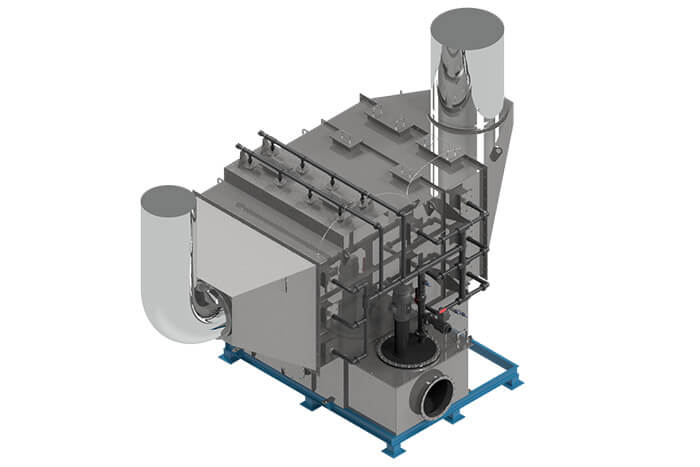
- Wet Scrubbers
- Metering Screws
How Does Integrated Specialty Equipment Improve System Safety and Efficiency?
Equipment that is sourced independently and field-adapted rarely performs to the system’s design intent. Spark detection systems installed without proper duct velocity data miss events. Balers sized without conveying capacity data create backpressure and jams. Metering screws and bi-flow systems that do not match fan performance disrupt airflow balance across the full system. Environmental Pneumatics specifies specialty equipment from the same engineering baseline used to design the rest of the system.
- Spark detection and deflagration equipment applied to NFPA 652 and industry-specific standards
- Balers, hoggers, and shredders sized to match conveying capacity and material throughput
- Motor drives and control centers integrated with system sequencing and interlock logic
Why Does Environmental Pneumatics Supply Specialty Equipment as Part of the System?
Most industrial facilities source specialty equipment through separate vendors and integrate it themselves, which places the engineering burden of making the components work together on the facility’s own team. Environmental Pneumatics takes responsibility for the full system, including specialty equipment selection, so the onus of integration stays with the engineers who designed the system from the beginning.
- On-site engineering visits determine equipment requirements before any specification is issued
- Spark detection and deflagration systems specified as integral components of the system
- Memphis-area installation team commissions specialty equipment alongside the full system
Start With a Site Evaluation
Most dust and scrap problems are visible to a trained eye. The issue is that most vendors never bother to look — they quote from a desk and ship a catalog product.
Our engineers come to you. Walk the floor with you. And tell you exactly what they see.
- On-site visit at your facility
- Dust source, airflow & scrap recovery gap analysis
- Compliance exposure review (OSHA / NFPA / EPA)
- Written summary of findings — no obligation
Schedule Your Walkthrough
Complete this form and we'll be in touch within one business day.
"*" indicates required fields
Frequently Asked Questions
What is the difference between deflagration equipment and spark detection and suppression equipment?
Deflagration equipment is designed to vent or suppress an explosion event after ignition occurs, while spark detection and suppression systems are designed to identify and extinguish ignition sources before a deflagration can develop.
When does a pneumatic conveying system need a bi-flow configuration?
A bi-flow system is used when material must be conveyed in two directions through the same pipe network, typically to serve multiple collection or discharge points from a single conveying line.
What is a pneumatic transfer pan (Air-Veyor) and where is it used?
An Air-Veyor is a low-profile, air-powered conveying surface used beneath converting and printing equipment to move lightweight scrap such as paper trim, corrugated, and foil toward a central pickup point without moving parts.
How does a metering screw differ from a standard screw conveyor?
A metering screw controls the rate at which material is fed into a conveying or processing system, while a standard screw conveyor moves bulk material from one point to another without regulated feed rate control.