
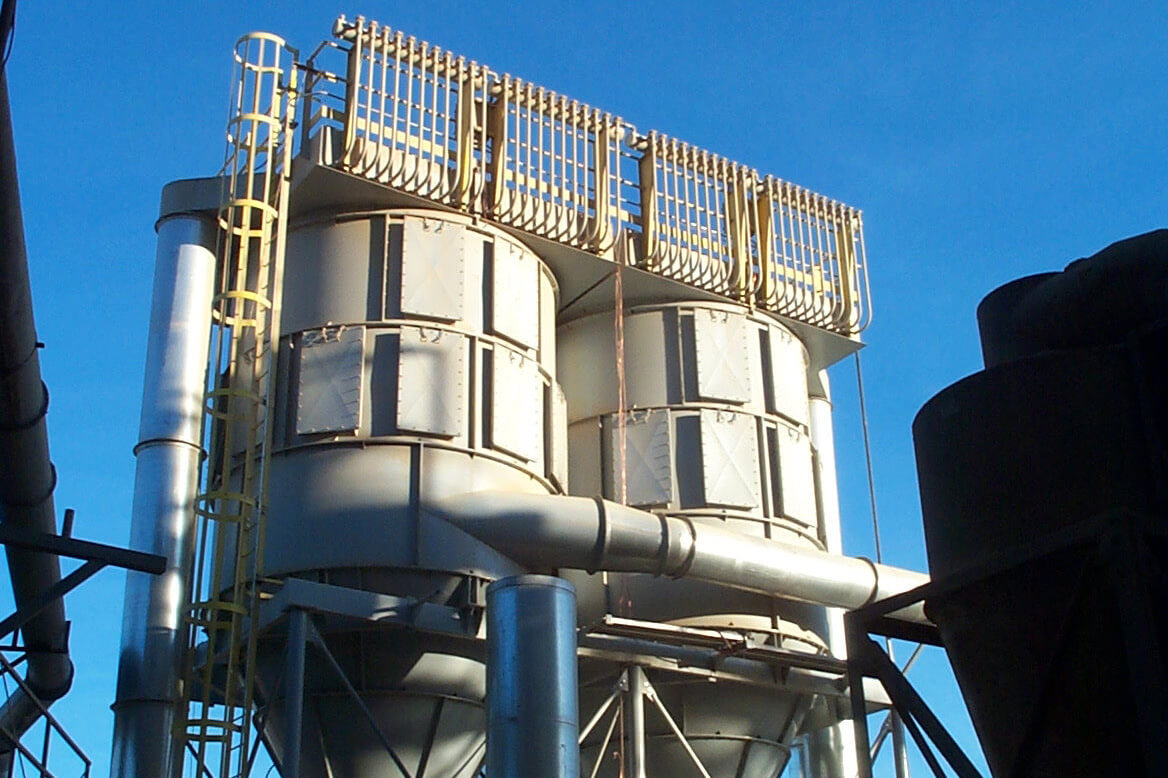
Pulse Jet Filters for Woodworking, Metalworking, Paper, and Chemical Dust Applications
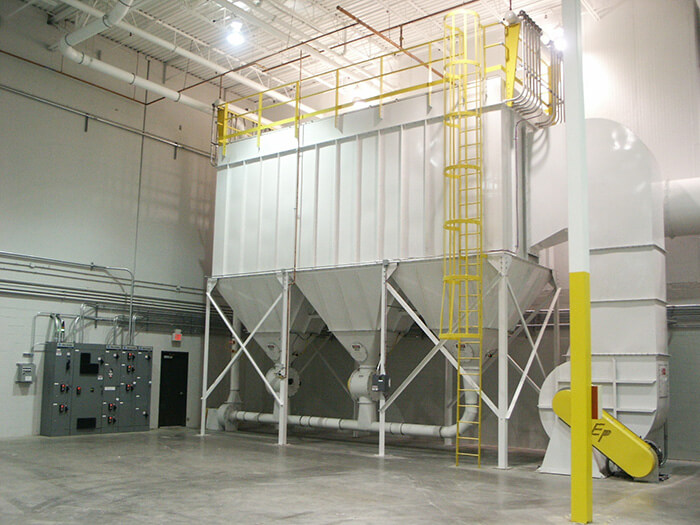
Pulse jet filters use compressed air bursts to clean bags while the collector stays online, making them the standard for facilities that cannot shut down for filter maintenance. Environmental Pneumatics sizes every pulse jet system to your facility’s dust characteristics, airflow volume, and loading conditions so bags last longer and cleaning cycles stay efficient.
Key Highlights:
- Continuous on-line cleaning with no production shutdown required for maintenance
- Higher air-to-cloth ratios that reduce collector footprint for space-constrained facilities
- Retrofit-compatible with existing cyclone separators and material receiver systems
How Does Pulse Jet Cleaning Keep Your Collector Online?
Compartment isolation and offline cleaning cycles cost production time every week they are scheduled. The collector fires short bursts of compressed air down each bag, flexing the media and dropping the dust cake into the hopper while air keeps moving through the system.
- Cleaning triggered by differential pressure or programmable timer, not manual checks
- Wire cages support each bag for even airflow and faster replacement
- Media specified from polyester, aramid, fiberglass, PTFE, and specialty blends
Why Choose Environmental Pneumatics for Pulse Jet Filter System Design?
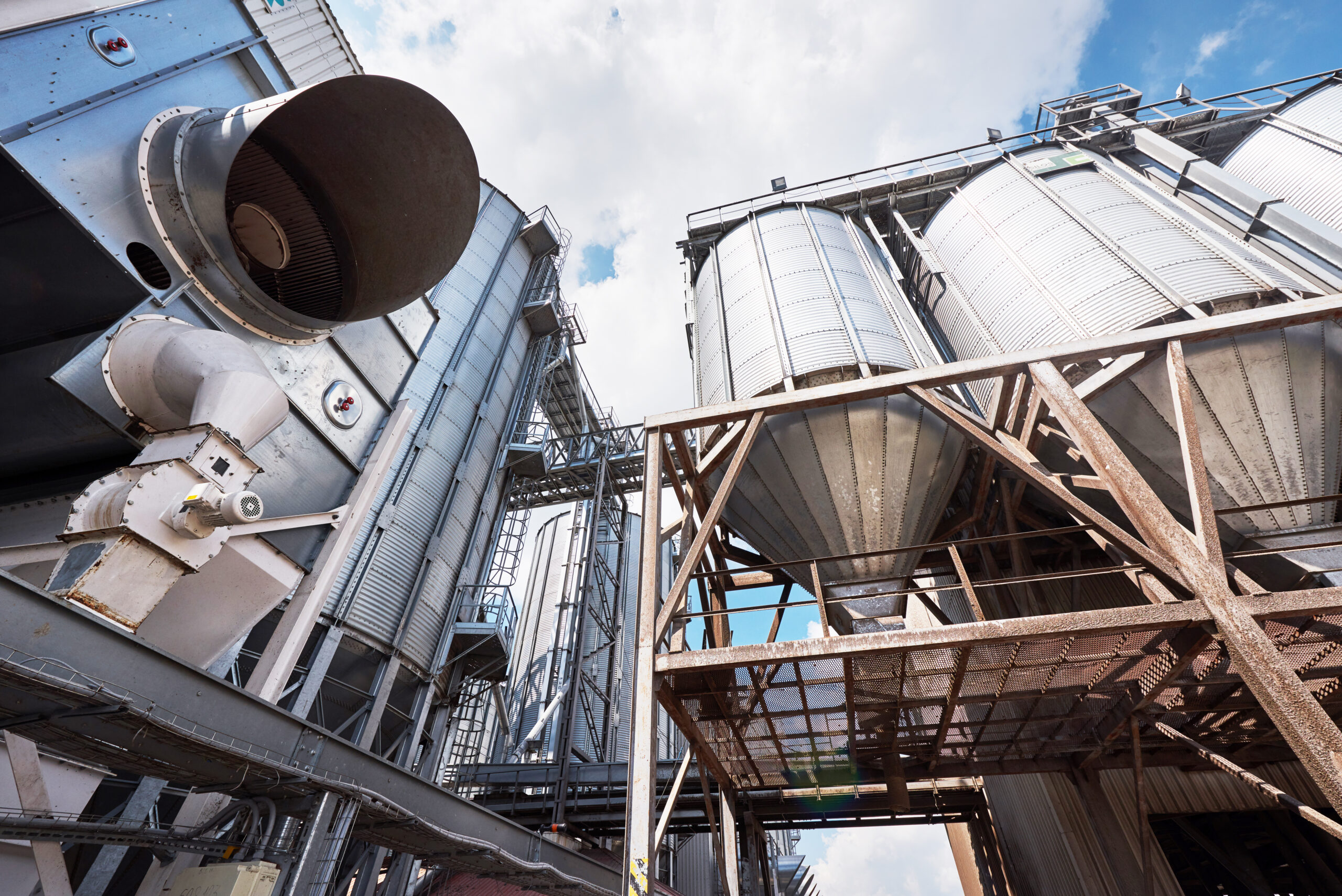
A pulse jet system that is undersized overwhelms bags in weeks. One that is oversized wastes capital and compressed air. Environmental Pneumatics calculates the exact air-to-cloth ratio, pulse timing, and media selection for your application so the system runs efficiently from commissioning without constant adjustment.
- Systems engineered from on-site dust evaluation, not catalog selection or phone estimates
- Complete design, fabrication, and installation from one team with single-point accountability
- Represents all major specialty filter media manufacturers for application-specific requirements
Why Choose Environmental Pneumatics for Filter System Design and Retrofit?
Environmental Pneumatics engineers complete filtration and retrofits existing systems that no longer meet compliance. We design and install filtration ourselves, and represent all major specialty filter manufacturers for applications requiring specific media.
- Retrofit capability for existing cyclone separators and material receivers
- Filtration designed and integrated as part of your complete dust collection system
- Access to all major specialty filter manufacturers for application-specific media
Start With a Site Evaluation
Most dust and scrap problems are visible to a trained eye. The issue is that most vendors never bother to look — they quote from a desk and ship a catalog product.
Our engineers come to you. Walk the floor with you. And tell you exactly what they see.
- On-site visit at your facility
- Dust source, airflow & scrap recovery gap analysis
- Compliance exposure review (OSHA / NFPA / EPA)
- Written summary of findings — no obligation
Schedule Your Walkthrough
Complete this form and we'll be in touch within one business day.
"*" indicates required fields
Frequently Asked Questions
What is the difference between pulse jet and reverse air baghouse filters?
Pulse jet uses compressed air bursts to clean bags during continuous operation and handles high dust loads in compact footprints, while reverse air uses gentle low-pressure reversal in isolated compartments — extending bag life for high-temperature or lighter-loading applications.
How do I know when dust collector filters need replacement?
Rising differential pressure that doesn’t recover after cleaning indicates media blinding — we size filter systems with pressure monitoring so you track performance and schedule replacement before efficiency drops.
Can existing dust collection systems be retrofitted with new filters for EPA compliance?
Yes — most existing scrap removal systems and cyclone separators can be retrofitted with reverse jet filters or upgraded baghouse configurations to meet current EPA and NFPA requirements.
What type of filter works best for paper and packaging dust?
High-volume paper operations often benefit from drum filters with continuous suction nozzle cleaning, or pulse jet baghouses sized for combustible cellulose dust — the right choice depends on production volume and facility layout.