
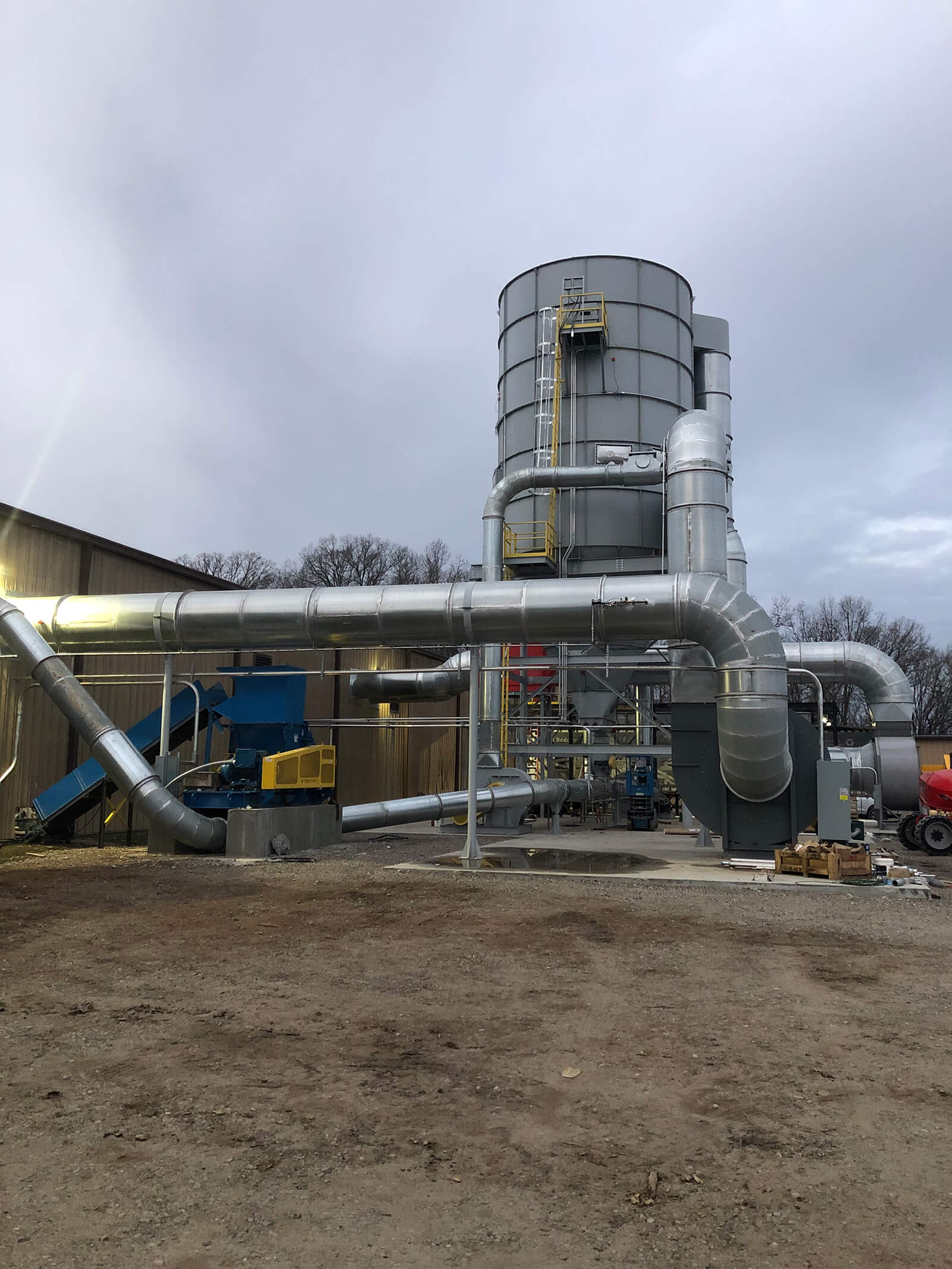
Reverse Air Filters for Combustible Dust and Low-Energy Applications
Reverse air is the preferred filtration method for combustible dust applications and facilities where compressed air is unavailable or impractical. The gentle cleaning cycle extends bag life well beyond pulse jet systems while maintaining continuous operation through compartmentalized design.
Key Highlights:
- No compressed air, valves, dampers, or compressors required for bag cleaning
- Gentle low-pressure reversal extends filter bag life and reduces maintenance costs
- Compartmentalized design allows continuous operation during cleaning cycles
How Do Reverse Air Filters Reduce Energy Costs and Extend Bag Life?
Pulse jet systems rely on compressed air — compressor energy, dryer maintenance, and repeated high-pressure impact on filter media. Reverse air eliminates all of it. Bags clean on timed cycles using reversed processed air, reducing pressure drop, fan horsepower, and mechanical stress on media.
- Bags cleaned by reversed processed airflow — no compressed air energy cost
- Lower pressure drop across media reduces fan horsepower and energy consumption
- Cyclonic pre-separation and media filtration work together to remove coarse particles before they reach the bags
What Reverse Air Filter Configurations Does Environmental Pneumatics Install?
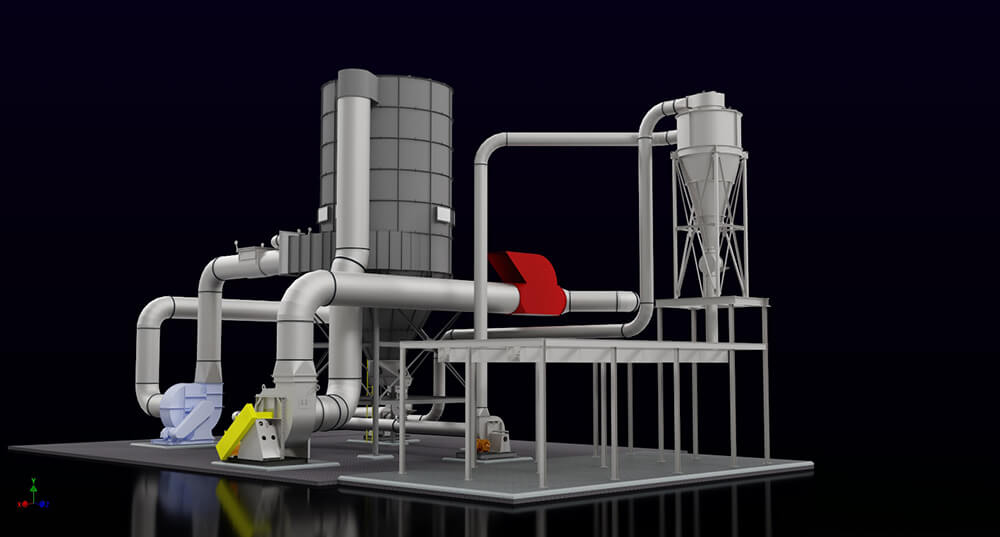
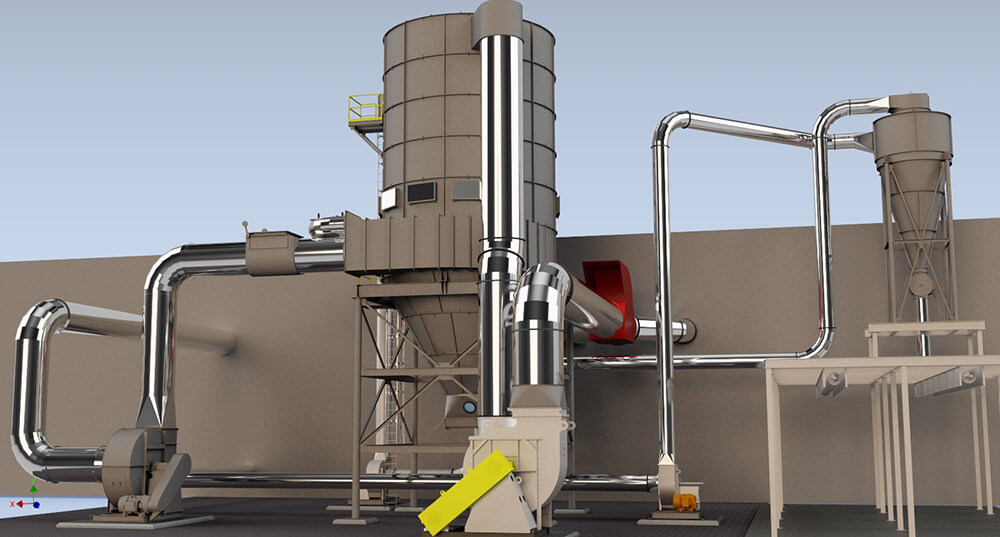
Environmental Pneumatics engineers reverse air systems in rectangular multi-compartment housings and round configurations for high-pressure or combustible dust applications.
- Standard Reverse Air Filters: Multi-compartment rectangular housings with walk-in access, top bag removal, and sectionalized tube sheets. One compartment isolates for cleaning while remaining sections stay online.
- Round Reverse Air Filters: Cylindrical construction for higher pressure ratings, combustible dust compliance, or compact installation. Round housings eliminate flat surfaces where dust accumulates — critical for flammable dust applications per NFPA standards.
Why Choose Environmental Pneumatics for Reverse Air Filter Systems?
Reverse air fits when your application involves high temperatures, combustible dust, or media that cannot tolerate pulse jet impact. Environmental Pneumatics evaluates your dust type, temperature, and compliance requirements on-site before specifying the system.
- Designed for coal, wood, grain, and other combustible dust per NFPA standards
- Intrinsically safe configurations with no internal electrical components for compliance
- Explosion venting, anti-spark inlet cladding, and deluge nozzle integration available
Start With a Site Evaluation
Most dust and scrap problems are visible to a trained eye. The issue is that most vendors never bother to look — they quote from a desk and ship a catalog product.
Our engineers come to you. Walk the floor with you. And tell you exactly what they see.
- On-site visit at your facility
- Dust source, airflow & scrap recovery gap analysis
- Compliance exposure review (OSHA / NFPA / EPA)
- Written summary of findings — no obligation
Schedule Your Walkthrough
Complete this form and we'll be in touch within one business day.
"*" indicates required fields
Frequently Asked Questions
What is the difference between reverse air and pulse jet baghouse cleaning?
Reverse air uses low-pressure airflow reversal to gently clean bags in isolated compartments without a compressor, while pulse jet uses high-pressure compressed air bursts that clean faster but produce more bag wear and require more filter area at lower air-to-cloth ratios.
When should I choose reverse air over pulse jet filtration?
Reverse air is preferred for combustible dust requiring intrinsically safe housings, delicate filter media like fiberglass that cannot handle pulse jet impact, and facilities without reliable compressed air.
Can reverse air filters handle combustible dust safely?
Reverse air systems can be engineered with no internal electrical components, explosion venting per NFPA 68, anti-spark wear resistant inlets, grounded bag-to-cage connections per NFPA 77, and recirculated filtered air that introduces no outside oxygen.
How often are reverse air filter bags cleaned?
Cleaning cycles typically run every 60 to 120 seconds per compartment, with each section isolated in sequence while remaining compartments continue filtering in a continuous automatic cycle.