
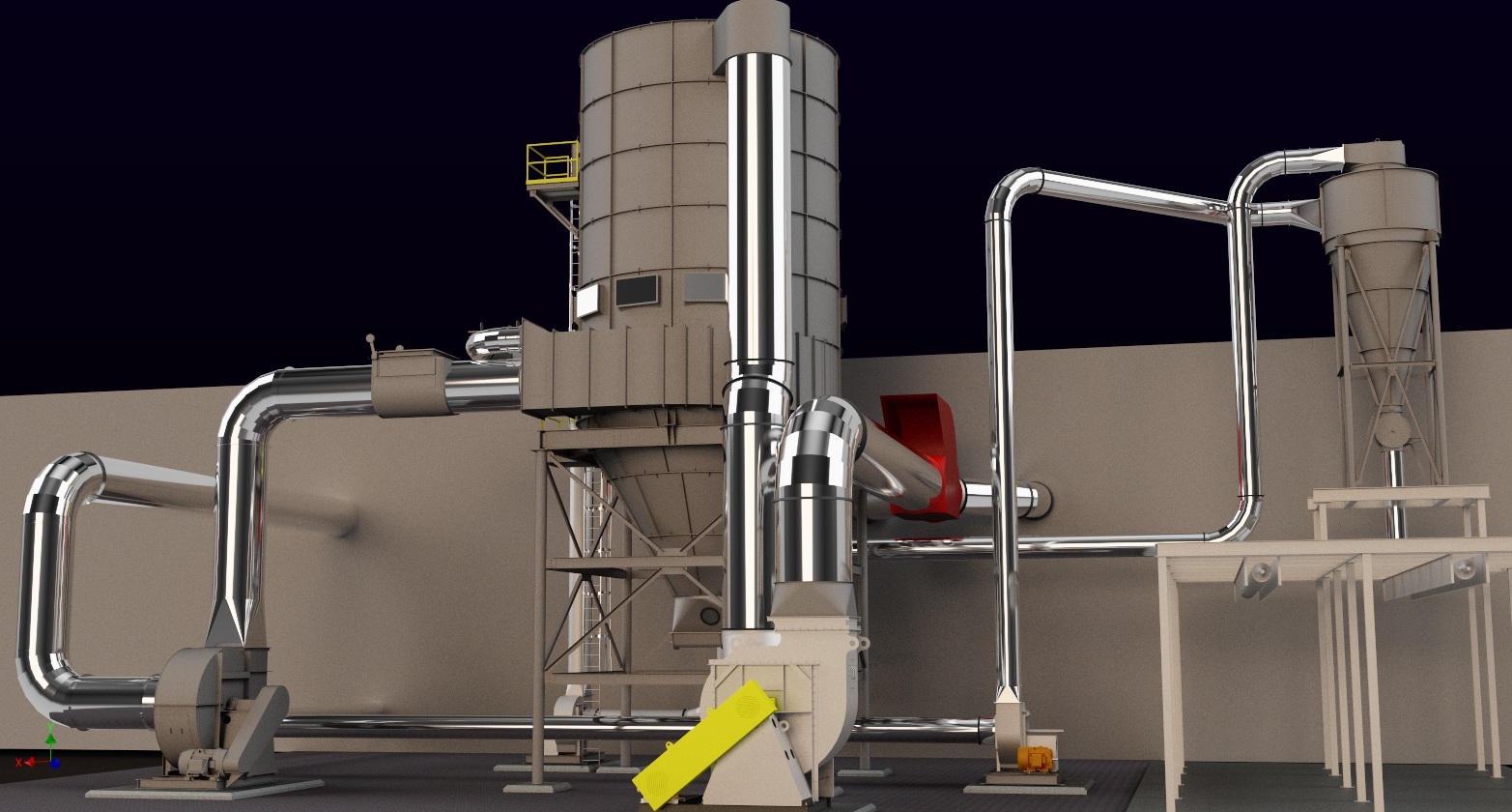
Industrial and Manufacturing \ Dust Collection and Fume Extraction for Metal and Plastics Operations
Metal fabrication, welding, cutting, and plastics processing each generate distinct contamination types that require different collection strategies, different filter media, and different safety provisions. A system designed for one process rarely performs correctly on another. Environmental Pneumatics engineers collection systems on-site around your specific material, your process, and the regulatory requirements that apply to your operation.
Key Highlights:
- Systems engineered to your contamination type, not adapted from a generic template
- Safety-critical installations addressed to OSHA PEL and NFPA combustible dust requirements
- On-site engineering confirms process parameters before any system design is issued
How Does Process-Specific System Design Improve Collection Performance and Compliance?
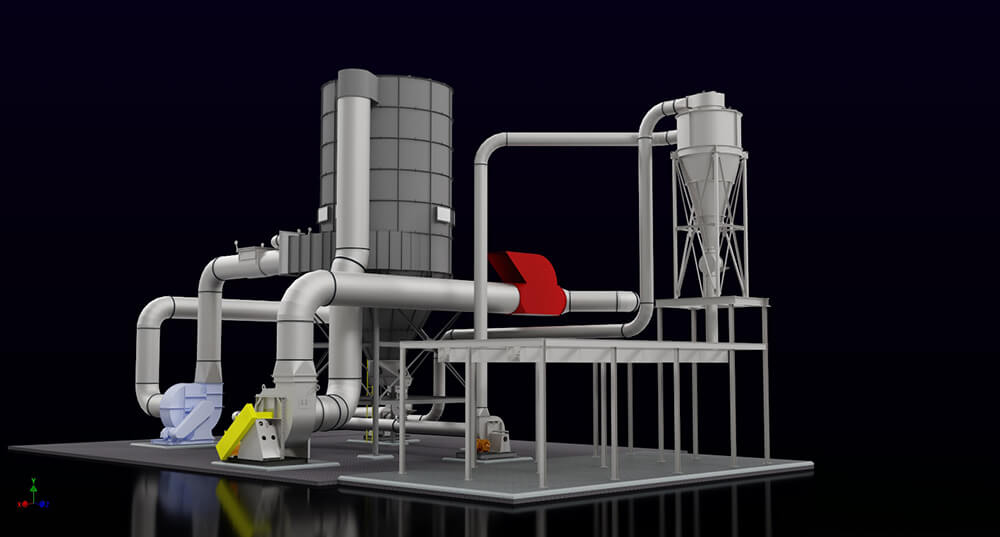
Metal fume, weld smoke, thermal cutting particulate, and plastic dust each behave differently in a collection system. Weld fume is sub-micron and requires high-efficiency filtration. Plasma and laser cutting produce fine thermally generated particles with heat loads that affect filter selection. Plastic dust from machining, trimming, and conveying is combustible under NFPA 654 and requires explosion protection provisions that generic systems frequently omit. Environmental Pneumatics accounts for the full contamination profile before specifying any equipment.
- Weld fume systems engineered to OSHA hex chrome and manganese PEL requirements
- Thermal cutting systems specified for downdraft velocity, heat load, and table size
- Plastics dust collection provisions engineered to NFPA 654 combustible particulate solid standards
Why Do Industrial and Manufacturing Facilities Choose Environmental Pneumatics?
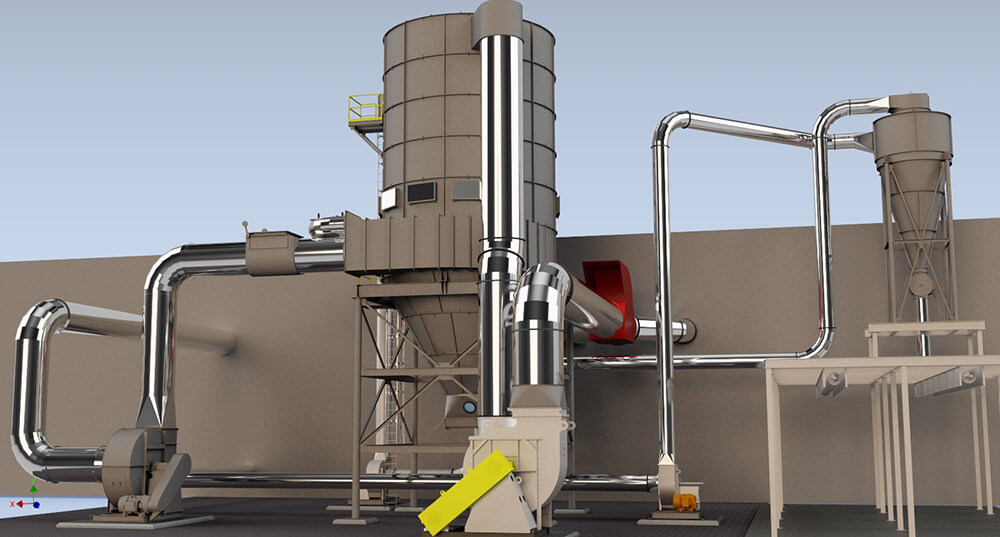
Catalog dust collectors are sized to airflow ranges, not to the specific material, process, or floor layout of a given facility. In metalworking and plastics operations, that mismatch produces compliance gaps, accelerated filter wear, and collection systems that satisfy a purchase order but not an OSHA inspection. Environmental Pneumatics walks your production floor before drawing a single component, then fabricates and installs the system with the installation team that designed it.
Sectors Served:
- Metal Fabrication
- Welding Operations
- Metal Cutting Processes
- Plastics Industry
Start With a Site Evaluation
Most dust and scrap problems are visible to a trained eye. The issue is that most vendors never bother to look — they quote from a desk and ship a catalog product.
Our engineers come to you. Walk the floor with you. And tell you exactly what they see.
- On-site visit at your facility
- Dust source, airflow & scrap recovery gap analysis
- Compliance exposure review (OSHA / NFPA / EPA)
- Written summary of findings — no obligation
Schedule Your Walkthrough
Complete this form and we'll be in touch within one business day.
"*" indicates required fields
Frequently Asked Questions
What regulatory standards apply to dust collection in metal fabrication and welding operations?
OSHA 1910.252 requires local exhaust ventilation to maintain exposures below permissible exposure limits for welding fumes, with specific PELs for hexavalent chromium and manganese that have been significantly tightened in recent years.
Is plastic dust from machining and trimming operations considered combustible?
Yes. Plastic dust from machining, grinding, trimming, and conveying is classified as combustible under NFPA 654 and requires dust hazard analysis and appropriate explosion protection provisions for the collection system.
What is the difference between source capture and ambient air filtration for welding fumes?
Source capture extracts fumes at or near the weld point using hoods or extraction arms, while ambient filtration recirculates and filters room air; source capture is generally required to meet OSHA PELs for most weld fume constituents.
How is a collection system for plasma or laser cutting different from a standard dust collector?
Thermal cutting produces fine thermally generated particles with heat loads and particle-size distributions that require surface-loading filter media, downward airflow patterns, and spark control provisions not typically found in general-purpose collectors.