
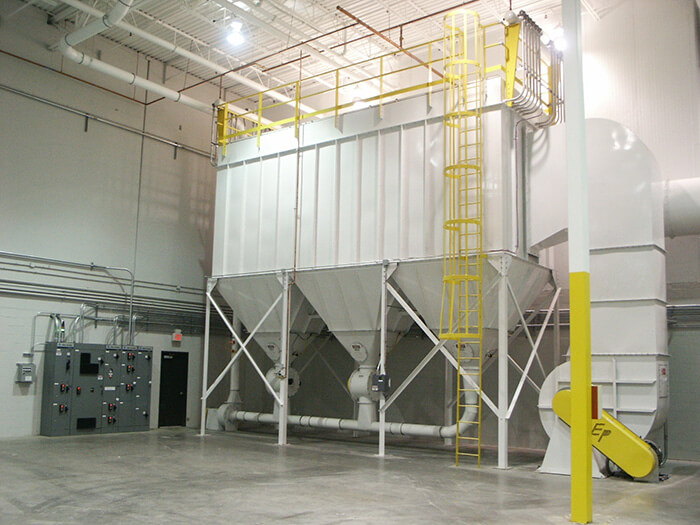
Industrial Separators for Dust Collection, Conveying, and Scrap Recovery Systems
Separation is where material leaves the airstream. The wrong separator means lost product, excessive wear, or particulate carryover that overwhelms downstream filtration. Environmental Pneumatics sizes every separator on-site to work within your complete dust collection or conveying system.
Key Highlights:
- Separators custom-engineered to your facility’s dust load and airflow conditions
- Fabricated in carbon steel, galvanized, or stainless steel construction
- Designed to integrate with your existing dust collection system architecture
What Types of Industrial Separators Does Environmental Pneumatics Build?
Separation is where material leaves the airstream. The wrong separator means lost product, excessive wear, or particulate carryover that overwhelms downstream filtration.
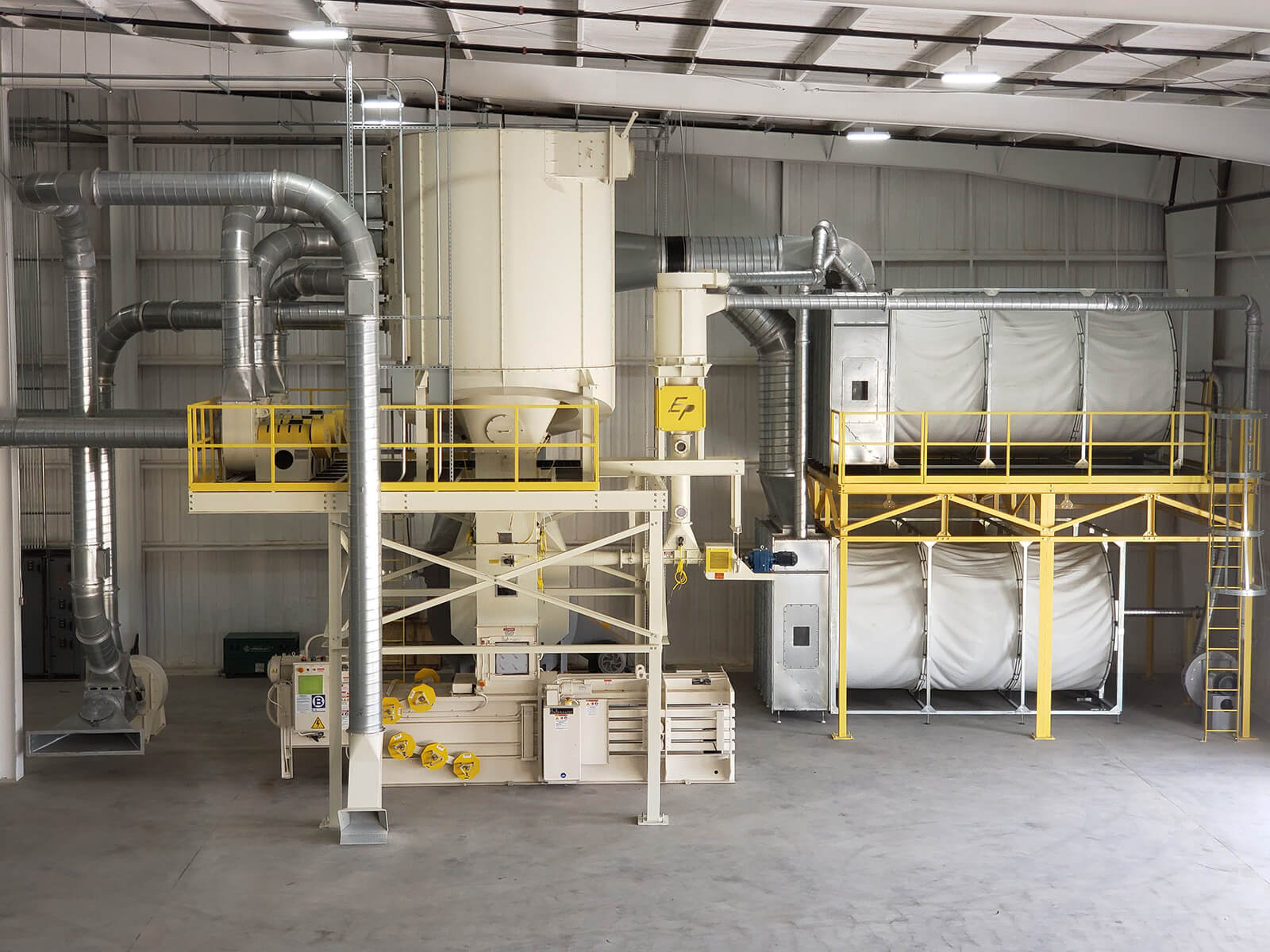
- Cyclones: Centrifugal separators that remove medium-to-coarse particles using tangential inlet geometry.
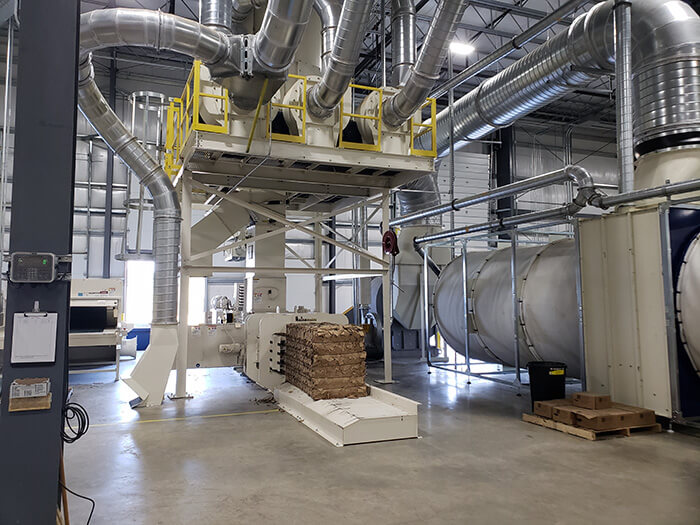
- Inclone® Screen Separators: Zero-pressure receivers that separate scrap using gravity — no moving parts, no airlocks, no conveyors.
- Drop Out Boxes: Inline chambers that use velocity reduction to drop heavy debris from the airstream before it damages downstream cyclones or filtration.
- Spark Arrestors: Inline devices that intercept embers and hot particles in ductwork before they reach dust collectors.
Why Choose Environmental Pneumatics for Separator System Design?
Environmental Pneumatics fabricates every separator in-house and engineers each component to integrate with your full dust collection or conveying system. We design, build, and install separator systems as part of a complete engineered approach and service them after commissioning.
- On-site engineering evaluates your dust characteristics before any separator is specified
- In-house fabrication in carbon, galvanized, or stainless steel to exact specifications
- Single-source accountability from design through installation and system startup
Start With a Site Evaluation
Most dust and scrap problems are visible to a trained eye. The issue is that most vendors never bother to look — they quote from a desk and ship a catalog product.
Our engineers come to you. Walk the floor with you. And tell you exactly what they see.
- On-site visit at your facility
- Dust source, airflow & scrap recovery gap analysis
- Compliance exposure review (OSHA / NFPA / EPA)
- Written summary of findings — no obligation
Schedule Your Walkthrough
Complete this form and we'll be in touch within one business day.
"*" indicates required fields
Frequently Asked Questions
What is the difference between a cyclone separator and a Inclone screen separator?
Cyclones use centrifugal force for dust and fine particulate, while screen separators use gravity at zero pressure to handle larger scrap and deliver it directly to a baler with no airlocks or conveyors.
When does a dust collection system need a spark arrestor?
Any system collecting combustible dust downstream of grinding, cutting, sanding, or welding operations needs spark protection to prevent embers from igniting accumulated dust in collectors.
What does a drop out box do in a dust collection system?
A drop out box slows airstream velocity so heavy debris falls out before reaching cyclones or baghouses, protecting downstream equipment and reducing maintenance.
How do I know which separator configuration my facility needs?
Configuration depends on your material type, particle size range, airflow volume, and downstream requirements, which Environmental Pneumatics evaluates on-site to engineer a separator sequence matched to your system.