Ductwork Components \ Custom Fabrication for Dust Collection and Conveying Systems
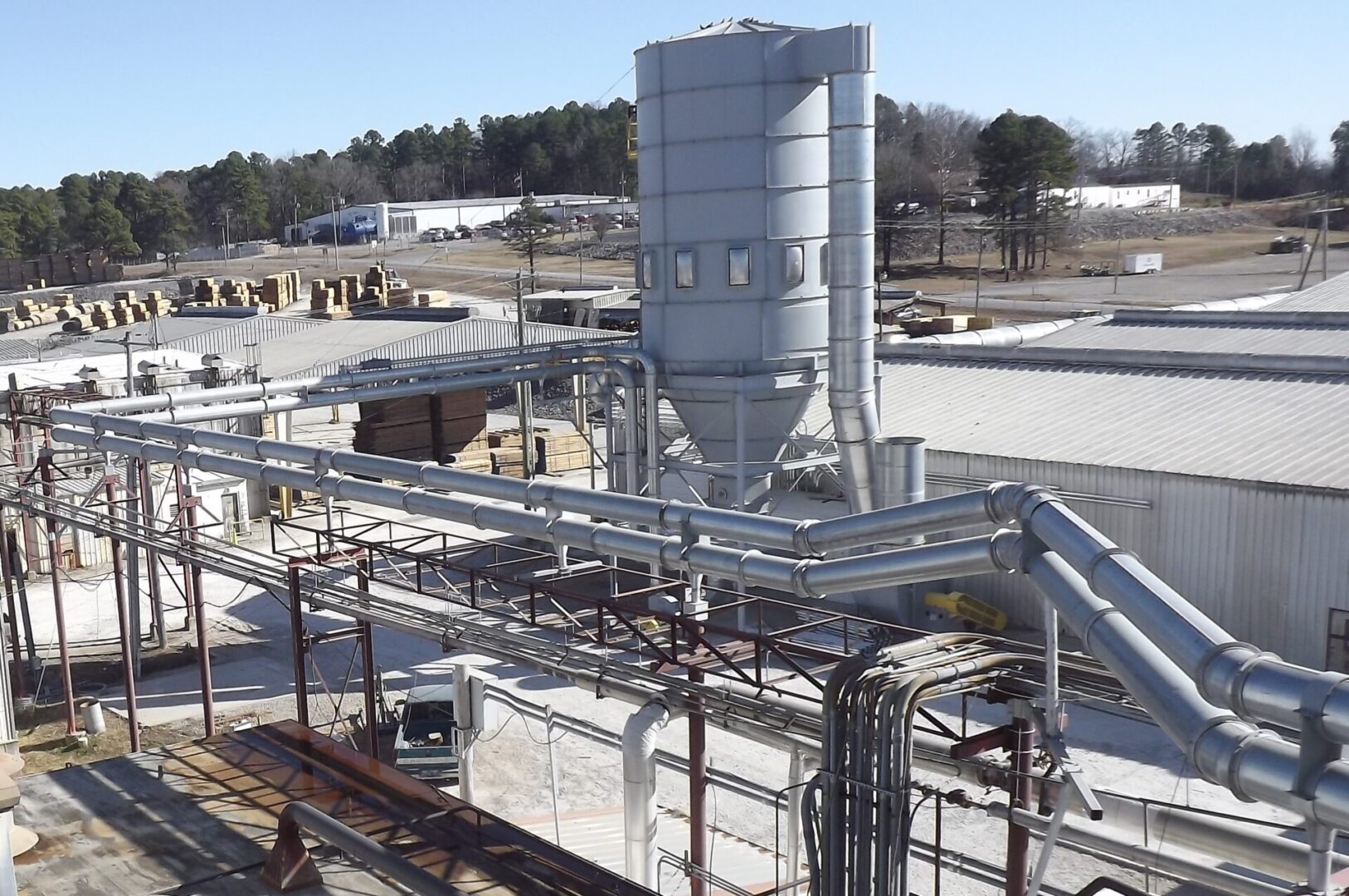
A dust collection or pneumatic conveying system is only as efficient as the ductwork connecting its components. Undersized transitions, poorly radiused elbows, or mismatched branch fittings introduce pressure losses that force your fan to work harder and reduce capture velocity at the hood. Environmental Pneumatics fabricates ductwork components to the dimensional requirements of your system, your facility layout, and the material being conveyed.
Components Fabricated:
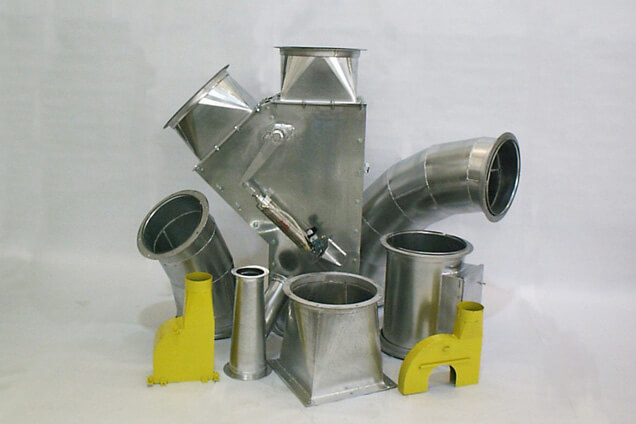
- Fabricated Pipe
- Fabricated Elbows
- Branch and Y Fittings
- Transitions and Reducers
- Custom Fume Removal Hoods
- Custom Waste Removal Hoods
- Switch and Diverter Valves
How Do Properly Fabricated Ductwork Components Improve System Performance?
Off-the-shelf ductwork is designed around standard dimensions, not your facility. When stock components force field modifications, the results are misaligned flanges, sharp-radius elbows, and improvised transitions that accumulate material, restrict airflow, and accelerate wear. Environmental Pneumatics fabricates each component to the geometry your system actually requires, reducing pressure loss and extending the service life of the full installation.
- Elbows radiused to conveying velocity requirements to prevent material dropout and wear
- Branch and Y fittings angled to balance airflow across multiple pickup points
- Diverter and switch valves configured for manual or automated material routing control
Why Does Environmental Pneumatics Fabricate Ductwork Components Rather Than Source Them?
Catalog ductwork is built to standard sizes. Industrial facilities are not. When a system is routed through an existing production floor, around machinery, and between building columns, the ductwork has to fit the building, not the other way around. Environmental Pneumatics designs and fabricates components in-house so each fitting, hood, and transition matches the engineering intent of the system it serves.
- On-site engineering visits confirm routing, dimensions, and material requirements before fabrication
- Custom hoods sized to ACGIH capture velocity guidelines for your specific process
- Memphis-area fabrication team installs components as part of the complete system
Start With a Site Evaluation
Most dust and scrap problems are visible to a trained eye. The issue is that most vendors never bother to look — they quote from a desk and ship a catalog product.
Our engineers come to you. Walk the floor with you. And tell you exactly what they see.
- On-site visit at your facility
- Dust source, airflow & scrap recovery gap analysis
- Compliance exposure review (OSHA / NFPA / EPA)
- Written summary of findings — no obligation
Schedule Your Walkthrough
Complete this form and we'll be in touch within one business day.
"*" indicates required fields
Frequently Asked Questions
Why use custom-fabricated ductwork instead of standard catalog components?
Standard components are built to common dimensions that rarely match an existing facility’s routing, equipment spacing, or conveying velocity requirements, which introduces pressure losses and accelerates wear.
What is the difference between a fume removal hood and a waste removal hood?
Fume removal hoods are designed to capture airborne chemical or thermal contaminants at the source, while waste removal hoods are designed to capture and convey solid scrap, trim, or particulate into the conveying line.
What materials are used for fabricated ductwork components?
Components are fabricated from carbon steel or stainless steel depending on the material being conveyed, operating temperature, and corrosion or abrasion requirements of the application.
When is a diverter valve needed in a dust collection system?
A diverter valve is used when collected material needs to be routed to more than one destination, such as alternating between two collection bins or switching flow between separate discharge points.