

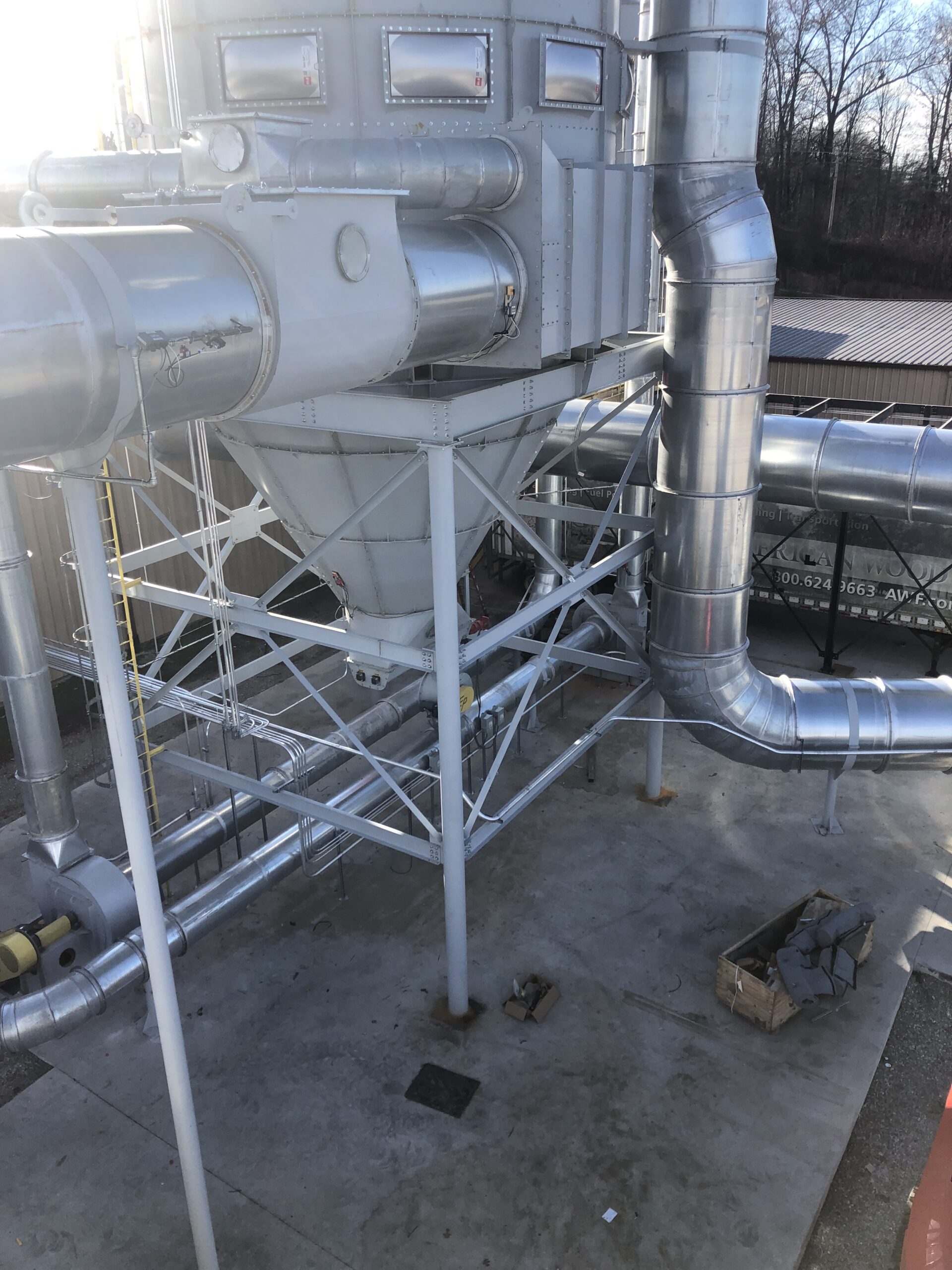
Agricultural Dust Collection for Rice Mills, Grain Elevators, and Feed Operations
Every agricultural operation generates different dust. Rice hull dust, corn dust, and soybean meal fines each have their own particle size, moisture content, and combustibility profile, and a system designed for one will underperform on another. Environmental Pneumatics engineers each system around your specific material so the equipment matches what is actually moving through your facility.
Key Highlights:
- Custom cyclone, baghouse, and conveying systems for agricultural particulates
- Engineered to meet OSHA combustible dust and EPA emission standards
- Material recovery that returns grain fines and rice bran to your process
How Does Custom Dust Collection Solve Problems in Rice, Grain, and Feed Facilities?
Agricultural dust is not one material. Each crop and byproduct has its own density, abrasiveness, and explosion characteristics that demand specific engineering. Generic catalog systems miss these differences and fail when conditions change between seasons or product runs.
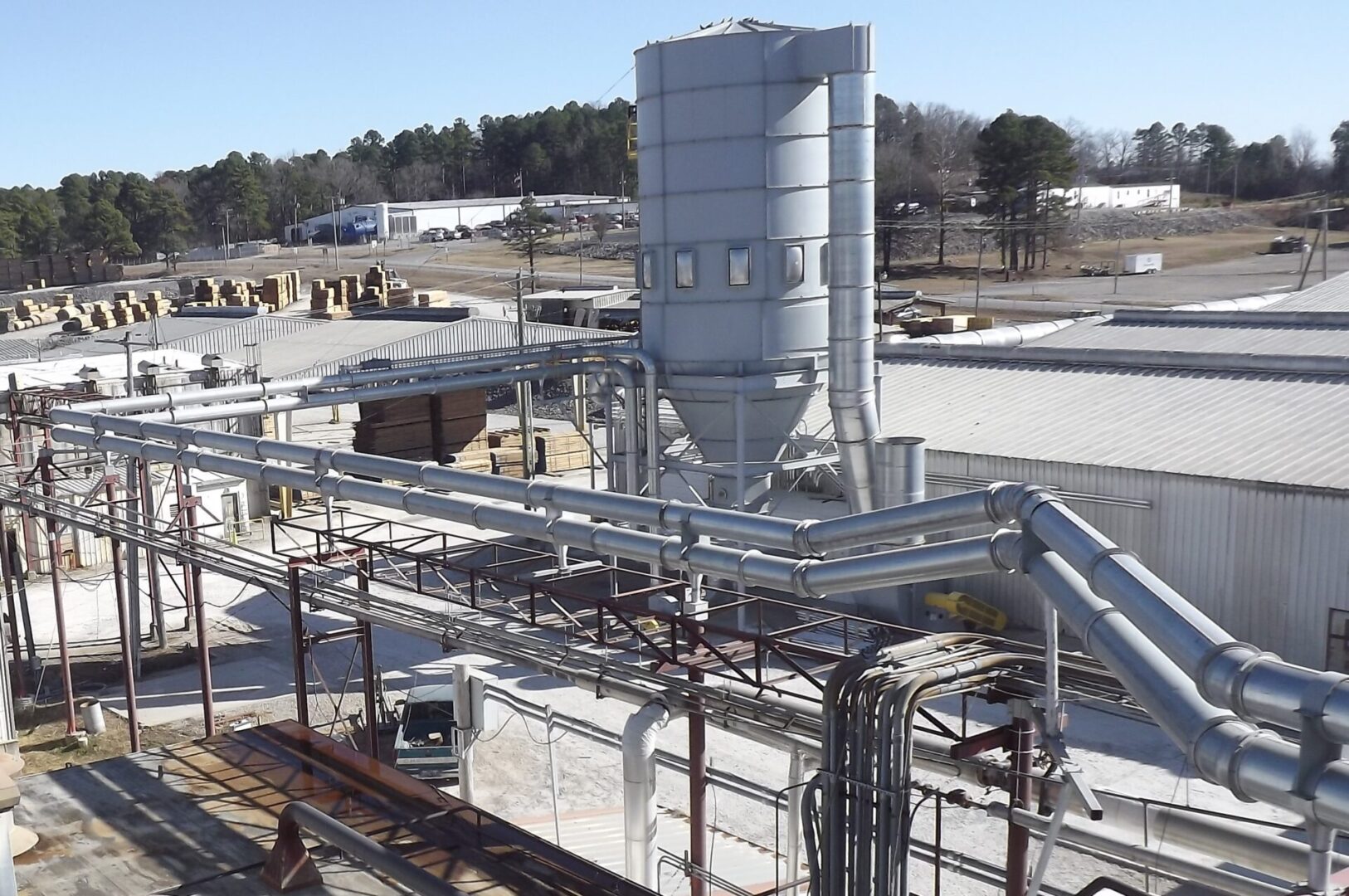
- Cyclone pre-separators sized for rice hull density reduce wear and recover bran
- Grain systems engineered to NFPA 652 with explosion venting and spark detection
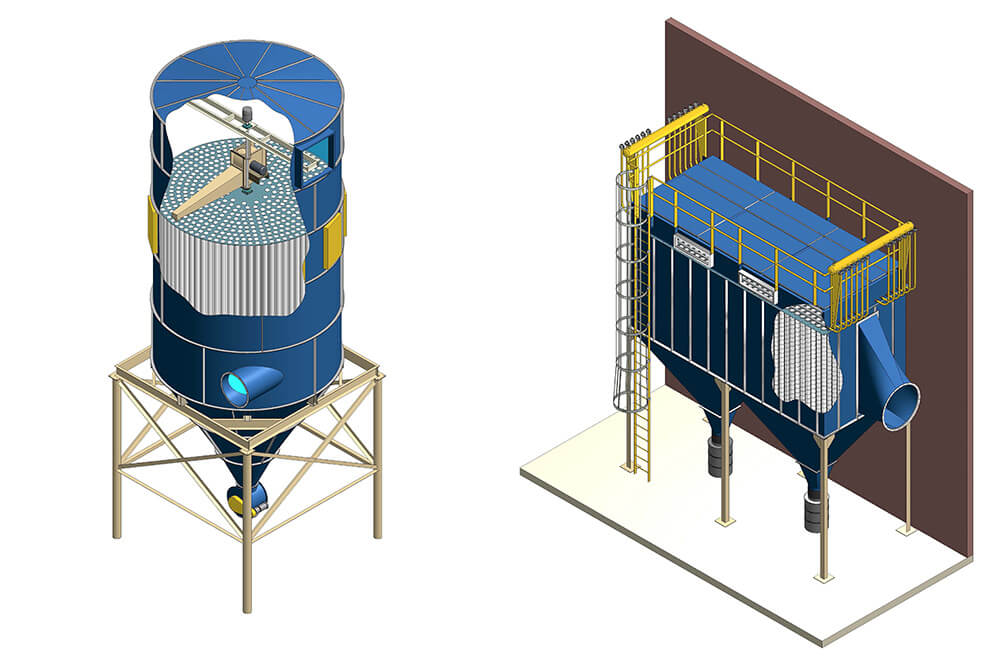
- Custom baghouse configurations with correct air-to-cloth ratio for fine feed particulates
Why Do Agricultural Facilities Choose Environmental Pneumatics Over Catalog Vendors?
Most vendors sell standard equipment from a catalog and hope it works for your application. Environmental Pneumatics starts with a site visit, walking your production floor, evaluating material flow, and identifying the specific dust problems costing you money or compliance risk.
- On-site engineering based on your material, layout, and production volume
- Revenue-generating recovery of rice bran, grain fines, and feed product
- Phased installation scheduled around harvest peaks and seasonal production demands
Start With a Site Evaluation
Most dust and scrap problems are visible to a trained eye. The issue is that most vendors never bother to look — they quote from a desk and ship a catalog product.
Our engineers come to you. Walk the floor with you. And tell you exactly what they see.
- On-site visit at your facility
- Dust source, airflow & scrap recovery gap analysis
- Compliance exposure review (OSHA / NFPA / EPA)
- Written summary of findings — no obligation
Schedule Your Walkthrough
Complete this form and we'll be in touch within one business day.
"*" indicates required fields
Frequently Asked Questions
What type of dust collection system works best for rice mills?
Rice mills typically need a cyclone pre-separator paired with a baghouse, where the cyclone handles heavy rice hull loading and recovers bran material while the baghouse captures finer particulates to meet emission limits.
How do you address combustible dust risk in grain and feed facilities?
We design systems around your specific material’s explosion characteristics, incorporating deflagration venting, duct transport velocities that prevent accumulation, and spark detection compatibility aligned with NFPA 652 combustible dust standards.
Can a dust collection system recover material that offsets the cost of installation?
In many agricultural applications, recovered rice bran, grain fines, and feed product have direct resale or reprocess value that Environmental Pneumatics engineers into the system design from the start.
Will installation require shutting down our facility during harvest or peak season?
Environmental Pneumatics plans phased installations around your production schedule, including seasonal peaks and harvest windows, coordinating the project timeline with your operations team to minimize disruption.